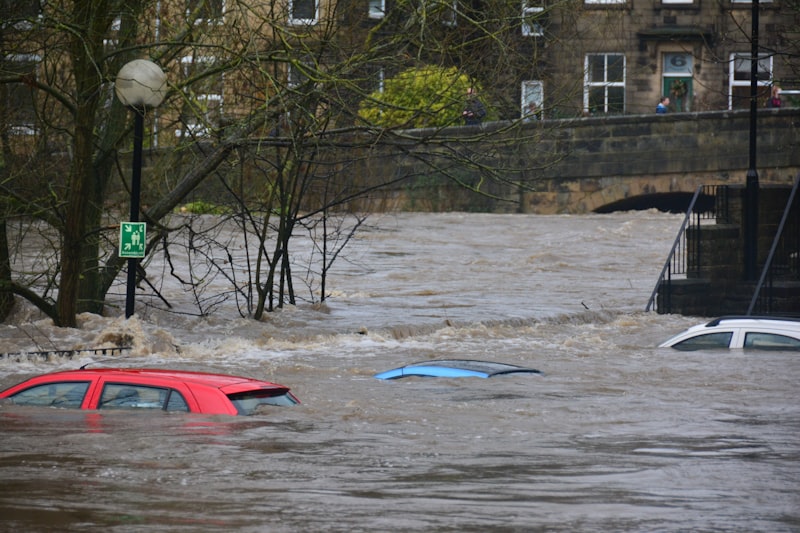
The Scope of the Problem
After every major hurricane or flood event, hundreds of thousands of vehicles are totaled by insurance companies. Many of those cars are bought at salvage auctions, dried out, cleaned up, and resold — sometimes across state lines where the flood title doesn't follow.
A flood-damaged car might start and drive fine for a few weeks or months. But water destroys wiring, corrodes connectors, breeds mold in places you can't see, and ruins electronics that can fail without warning. By the time problems appear, you own them.
The Smell Test
This is the first and most reliable check. Open the doors and sit inside with the windows up and the AC off for a minute.
- Musty or moldy smell — Water trapped in the carpet padding, seat foam, and headliner breeds mold. It's nearly impossible to eliminate completely.
- Overwhelming air freshener — Multiple air fresheners or an aggressively strong scent is a masking tactic. No one puts four air fresheners in a car that smells fine.
- New carpet smell — If the carpet looks brand new on a car that's 5+ years old, ask why it was replaced. Carpet replacement is rare in normal ownership.
Check the Hidden Spots
Whoever cleaned up a flood car focused on what you'll see. Check what they missed:
- Under the seats — Reach under the driver and passenger seats. Feel the carpet and the metal brackets. Rust, grit, or dried mud under seats is a dead giveaway.
- Seat rail bolts — Look at the bolts on the seat tracks. If they're rusted while everything around them is clean, the car sat in water.
- Trunk and spare tire well — Lift all the carpet in the trunk and check the spare tire compartment. Water stains, rust, or dried silt in the spare well means the car was submerged.
- Door panels — Look at the bottom edge of the interior door panels. Water lines sometimes remain as a faint discoloration.
- Dashboard and instrument cluster — Look for moisture or fogging behind the gauge cluster or infotainment screen. Water inside these sealed units is nearly impossible to clean.
Electrical Warning Signs
Water and electronics don't mix. Flood damage causes intermittent electrical problems that get worse over time:
- Flickering lights — Dashboard lights, headlights, or interior lights that flicker or behave erratically.
- Malfunctioning gauges — Speedometer, tachometer, or fuel gauge readings that jump around or read incorrectly.
- Power accessories that work intermittently — Windows, locks, mirrors, or seat adjusters that work sometimes and don't other times.
- Corrosion on connectors — Pop the hood and look at the wire harness connectors. Green or white crusty buildup on electrical connectors indicates water exposure.
The VIN and Title Check
The most important step is checking the vehicle's title history:
- Title status — A flood title or salvage title is the clearest indicator. But many flood cars are moved to states with less strict title branding laws and retitled as clean.
- Registration history — If a car was registered in a hurricane-affected area (Gulf Coast, Florida, Carolinas) and then suddenly appeared for sale in another state shortly after a major storm, be suspicious.
- Insurance total loss records — Some VIN history services track insurance total loss events even when the title isn't branded. This is the best way to catch a washed title.
A flood car can look perfect on the showroom floor and fall apart six months later. The damage is inside the wiring, inside the ECU, inside the seat foam — places a detail job can't reach. If you have any doubt, walk away.
When to Be Extra Cautious
Heighten your guard during these periods:
- 3-6 months after any major hurricane or flood event
- Cars priced significantly below market value with no clear reason
- Vehicles with brand new interiors but high mileage
- Sellers who refuse to let you inspect underneath or take the car to a mechanic